Things to Do in Banff
Banff is Canada's mountain playground, set inside Banff National Park and surrounded by limestone peaks, glacial lakes and some of the most photographed scenery…
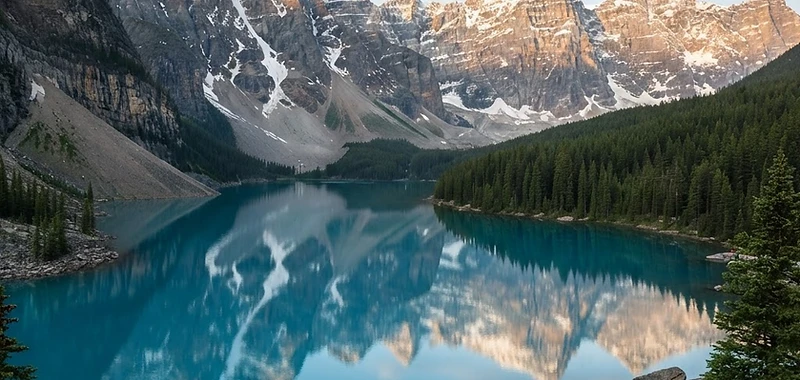
Banff is Canada's mountain playground, set inside Banff National Park and surrounded by limestone peaks, glacial lakes and some of the most photographed scenery in the country. Whether you have two days or a week, the challenge in Banff is not finding things to do — it is choosing between them. This guide covers the best things to do in Banff for every kind of traveller, from the must-see icons to the free trails, the family-friendly stops, the romantic viewpoints, the outdoor adventures, the rainy-day refuges, the seasonal highlights and the best day trips beyond the town.
What to do in Banff
Book tours and activities in Banff
Guided walks, boat tours and skip-the-line tickets you can reserve ahead from a tours partner.
Partner offer — we may earn a commission.
Top things to do in Banff
Start with the Banff Gondola for a panoramic ride to the summit of Sulphur Mountain, where a boardwalk connects to the Cosmic Ray Station and a 360-degree view over the Bow Valley. Drive the Lake Minnewanka Scenic Drive for stops at Lake Minnewanka, Two Jack Lake and Johnson Lake, then walk the easy Johnston Canyon trail to the Lower and Upper Waterfalls. Back in town, soak at the Banff Upper Hot Springs, tour the Cave and Basin National Historic Site (the birthplace of Canada's national parks), and stroll Banff Avenue for shops, restaurants and the Whyte Museum of the Canadian Rockies.
Free things to do in Banff
Some of Banff's best experiences cost nothing. Walk the Bow River pathway from Central Park to the Banff Avenue bridge, hike the Tunnel Mountain trail for a free summit view over the town, and explore the Marsh Loop and Fenland trails for wildlife and wildflowers. The Banff Park Museum offers affordable entry, but the grounds and the riverside boardwalk are free. Visit Surprise Corner on your way to the Banff Springs for the classic overlook of the Fairmont against the mountain, and drive the Lake Minnewanka loop at sunset for elk and big-horned sheep sightings, all without an admission fee.
Things to do in Banff for families
Families love the Banff Gondola, the Lake Minnewanka boat tour, and the Cave and Basin's interactive exhibits on the history of Canada's national parks. The Whyte Museum offers kid-friendly programming, and the Banff Central Park playground sits right on the Bow River. In winter, the Banff SnowDays ice sculptures and the outdoor skating at Lake Louise draw families, while summer brings the Johnson Canyon walk (stroller-friendly to the Lower Falls) and a easy swim at Johnson Lake.
Things to do in Banff for couples
Couples should book a sunset ride on the Banff Gondola, a soak at the Banff Upper Hot Springs, and a dinner on Banff Avenue or at the Banff Springs. Rent a canoe on the Bow River for a quiet, romantic float, and drive to Lake Louise and Moraine Lake for a sunrise walk before the crowds. In winter, a horse-drawn sleigh ride on Lake Louise and a snowshoe tour in the Spray Valley make the trip feel special.
Outdoor activities in Banff
Banff is an outdoor capital. Hike Tent Ridge or Healy Pass in summer, ski Sunshine Village, Lake Louise or Norquay in winter, and paddle the Bow River or Lake Minnewanka in the shoulder seasons. Mountain biking on the Mount Norquay trails, horseback riding along the Spray River, and ice climbing on Johnston Canyon's frozen waterfalls in winter round out the adventure options. Always carry bear spray and check trail conditions at the Banff Visitor Centre.
Rainy-day activities in Banff
Rain in Banff usually means low cloud, not a washout, but there are great indoor options. The Whyte Museum of the Canadian Rockies, the Banff Park Museum, the Cave and Basin National Historic Site and the Luxton Museum of the Plains Indians all tell the story of the region. The Banff Upper Hot Springs are especially good in the rain, and the Banff Avenue shops and restaurants make a great half-day wandering. In winter, the Fenlands Banff Recreation Centre offers public skating.
Seasonal activities in Banff
Summer (June–September) is the high season for hiking, canoeing and the gondola, with long days and wildflowers. Fall (September–October) brings larch season, golden larches and elk rut. Winter (December–March) is for skiing, snowshoeing, ice skating on Lake Louise and the Banff SnowDays festival. Spring (April–May) is quiet and best for wildlife viewing and soaking in the hot springs.
Day trips from Banff
Drive the Icefields Parkway to the Columbia Icefield and the Athabasca Glacier (2.5 hours each way) for one of the world's great scenic drives. Visit Lake Louise and Moraine Lake (45 minutes) for the iconic turquoise lakes. Drive to Canmore (20 minutes) for a quieter mountain town, and to Kootenay National Park (45 minutes) for hot springs and paint pots. Yoho National Park, across the provincial border in British Columbia, adds Takakkaw Falls and Emerald Lake.
Day trips from Banff
Book tours and activities in Banff
Live availability, verified reviews and mobile tickets with our booking partner.
Bookable attractions & experiences in Banff

 Attraction
Banff Gondola & Sulphur Mountain
Gondola to a 2,281-metre summit with 360° views over Banff and the Bow Valley.
Price: $$

 Hiking
Johnston Canyon Hike
Suspended catwalks over waterfalls and a frozen blue-ice canyon in winter.
Price: Free
Water ActivityLake Minnewanka Cruise
Interpretive boat cruise across Banff's largest glacial lake to submerged ruins and canyons.
Price: $$
SpaBanff Upper Hot Springs
Canada's highest operating hot springs, soaking at 37–40°C on Sulphur Mountain.
Price: $
Where to stay in Banff
Frequently asked questions
How many days do I need in Banff?
Three to four days is ideal for a first visit. That gives you a full day for downtown Banff and the Banff Gondola, a day for Lake Louise and Moraine Lake, and a day for the Icefields Parkway or Johnston Canyon. Add a day for skiing or a backcountry hike if you have time.
What is the best time of year to visit Banff?
Summer (June–September) is the most popular for hiking, canoeing and the gondola, with long days and wildflowers. Winter (December–March) is best for skiing, snowshoeing and the Banff SnowDays festival. Fall (September–October) brings the larches and elk rut, and spring (April–May) is quiet and best for wildlife viewing.
Do I need a park pass to visit Banff?
Yes. Banff is inside Banff National Park, and every visitor needs a Parks Canada Discovery Pass or a daily park pass, even if you are only staying in town. Passes can be bought online, at the park gates or at the Banff Visitor Centre.
Can I visit Banff without a car?
Yes. The Roam transit system is free in summer and covers Banff Avenue, Tunnel Mountain, Sulphur Mountain and Lake Minnewanka. Shuttles connect to Lake Louise and the ski hills. A car is useful for the Icefields Parkway and Moraine Lake, but most of the town is walkable.
Are there free things to do in Banff?
Yes. Walk the Bow River pathway, hike Tunnel Mountain, explore the Marsh Loop and Fenland trails, visit Surprise Corner for the classic Banff Springs overlook, and drive the Lake Minnewanka loop at sunset for wildlife. The Banff Upper Hot Springs and the Banff Gondola are paid, but the surrounding viewpoints are free.
Is Banff good for families with kids?
Yes. Families love the Banff Gondola, the Lake Minnewanka boat tour, the Cave and Basin's interactive exhibits and the Johnson Canyon walk (stroller-friendly to the Lower Falls). In winter, the Banff SnowDays ice sculptures and outdoor skating at Lake Louise are highlights.
Book your Banff trip
Compare live rates from our booking partners — no markup, no fees.