Experience the silent majesty of the Canadian Rockies by mastering the art of winter camping in Jasper. Learn the essential techniques to stay comfortable in a traditional canvas tent when the mercury drops.
Embrace the Frozen Silence
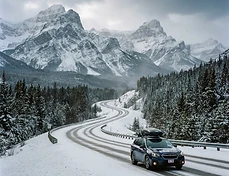
The sun dips behind the jagged peaks of the Victoria Cross Ranges, casting a violet hue over the Athabasca River, and the temperature plummets toward -20°C. While most retreat to the comfort of brick and mortar, the true magic of Jasper National Park reveals itself only to those willing to sleep under canvas during the deep freeze. Winter camping is not about suffering; it is about engineering a micro-climate of warmth in the heart of the wilderness. To start your journey, 🚗 Compare rental cars for your Alberta trip to ensure you have a 4x4 capable of handling the Icefields Parkway.
Choosing and Pitching Your Canvas Sanctuary
A traditional canvas tent, specifically one designed for a wood stove, is the gold standard for multi-day winter camping. Unlike synthetic materials, canvas is breathable, preventing the dreaded frost buildup that plagues nylon tents. When selecting your site near the Palisades or near the Athabasca River, look for natural windbreaks like dense pine stands. Avoid low-lying hollows where cold air pools like water. 🎟️ Browse tours and activities in Jasper to find guided backcountry access if you are new to the area.
The Art of the Wood Stove
The wood stove is the heartbeat of your camp. Using a collapsible titanium or steel wood stove allows you to dry out damp gear and maintain a cozy interior temperature. Ensure your stove pipe is properly fitted with a heat-resistant flashing kit to prevent melting or fires. Always source dry, seasoned firewood before you head out, or bring kiln-dried logs from town; wet wood produces little heat and excessive, choking smoke.
Insulation: The Secret to a Restful Night
Even with a stove, the floor of your tent will remain cold. Never sleep directly on the ground. Use a multi-layer approach: first, a ground tarp, then a closed-cell foam pad, and finally, a high-R-value inflatable sleeping pad. This sandwich creates a thermal break from the frozen earth. 🏨 Find hotels and places to stay in Jasper if you decide to transition from the tent to a cozy lodge for your final night to warm up properly.
Layering for Sleep
Never climb into your sleeping bag with damp clothes. Even if you feel warm upon entering the tent, the moisture from your skin will conduct heat away from your body as you sleep. Change into a dedicated pair of dry wool base layers kept inside a waterproof stuff sack. Keep your boot liners and a bottle of warm water inside your sleeping bag to prevent them from freezing solid overnight.
Essential Winter Camping Tips for Safety
- Hydration is Key: You lose moisture rapidly in cold, dry air. Melting snow requires fuel; ensure you pack at least two MSR WhisperLite or similar liquid fuel stoves, as canisters can struggle in extreme cold.
- CO Monitoring: Always carry a battery-operated carbon monoxide detector when using a wood stove or propane heater inside a tent.
- Check the Avalanche Bulletin: If your site is near the mountains, always verify conditions via Parks Canada before venturing out.
- Emergency Contact: Keep a satellite messenger like a Garmin inReach accessible, as cell service is non-existent in many remote parts of the park.
Start Planning Your Trip
Ready to brave the winter? Ensure your gear is prepped and your itinerary is set with these resources:
Ready to explore Canada's most popular destination?
Turquoise lakes, soaring peaks, and the Rockies' most iconic sights await in Banff, Alberta — our most-read destination guide.
Explore the Banff Destination Guide