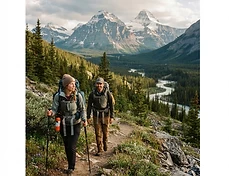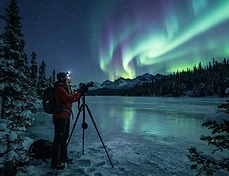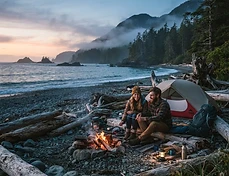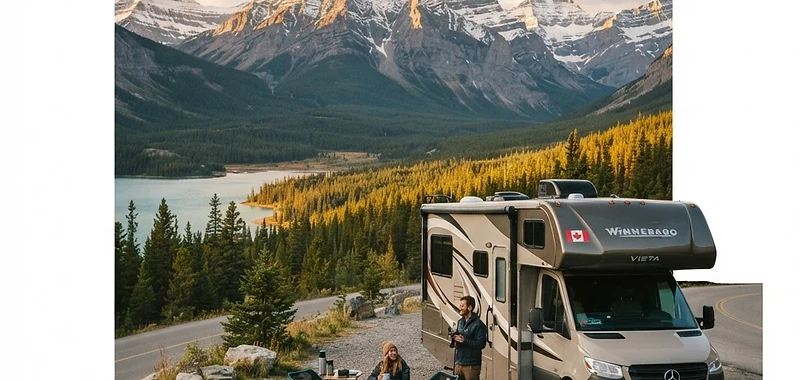
Embarking on an RV journey through Canada's majestic national parks requires preparation and insight. This guide covers everything from booking campsites to navigating mountainous terrain.
Waking up to the mist rising off Moraine Lake or hearing the distant call of a loon in Algonquin is the true reward of an RV adventure. However, for the uninitiated, the sheer scale of the Canadian wilderness can be as daunting as it is beautiful. Mastering the art of Canada RV travel tips is the difference between a stressful commute and the road trip of a lifetime.
Booking Your Basecamp
National park campgrounds in Canada operate on a high-demand reservation system through Parks Canada. For popular destinations like Banff or Jasper, sites often book up within minutes of the release date months in advance. Always prioritize the reservation window on the official Parks Canada website.
If you find yourself without a reservation, look for private campgrounds just outside park boundaries. 🏨 Find hotels and places to stay in Banff for when interior park sites are full. Keep in mind that "boondocking" or wild camping is strictly prohibited within national park boundaries and can result in significant fines.
Mastering the Road
Driving a 30-foot motorhome through the winding passes of the Rocky Mountains is vastly different from navigating city streets in Toronto or Vancouver. Familiarize yourself with the clearance height of your rental vehicle, as many park tunnels and parking structures have strict limits.
Before heading out, ensure you are comfortable with your vehicle's turning radius and braking distance. 🚗 Compare rental cars for your Alberta trip if you prefer a smaller campervan that offers better maneuverability on tight trails. Always allow extra time for travel; the "as the crow flies" distance on a map never accounts for the steep grades that will significantly slow your speed.
Essential Park Etiquette and Safety
Wildlife is the heart of the Canadian wilderness, but it also demands respect. Always maintain a "safe distance"—typically 30 meters for elk and deer, and 100 meters for bears and wolves. Never feed wildlife; it creates dependency and often leads to the animal being destroyed.
Pack your trash in bear-proof bins provided at all sites. If you are new to the area, 🎟️ Browse tours and activities in Jasper to book a guided wildlife viewing experience where experts can teach you how to observe animals safely.
Managing Your Resources
Your RV is a self-contained unit, but water and waste management require vigilance. Most standard campsites offer "unserviced" sites, meaning you must manage your freshwater tank and grey/black water waste independently.
- Dump stations: Always utilize designated stations for sewage disposal.
- Water refill: Only use potable water hoses for filling your fresh tank.
- Power: Invest in a portable solar charger if you plan to stay off-grid in remote parks like Gros Morne in Newfoundland.
Start Planning Your Trip
Your journey into the wild starts with a solid plan. Check out these resources to get moving:
Ready to explore Canada's most popular destination?
Turquoise lakes, soaring peaks, and the Rockies' most iconic sights await in Banff, Alberta — our most-read destination guide.
Explore the Banff Destination Guide