Crossing Canada requires more than just a map and a full tank of gas. Master the art of remote driving across the world's second-largest country with these expert insights.
Beyond the Pavement: Conquering the Great Canadian Drive
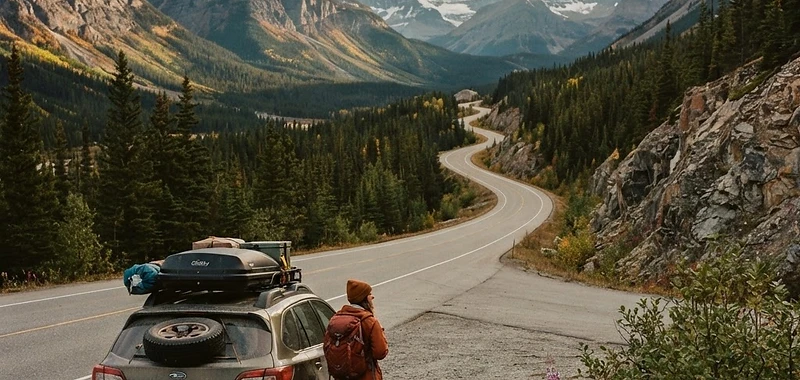
The Trans-Canada Highway stretches over 7,800 kilometers, linking the jagged shores of the Atlantic to the misty forests of the Pacific. When you leave the major urban hubs behind, you aren't just driving; you are entering a vast wilderness where cell service is a luxury and the next gas station might be three hours away. Preparation is the difference between a legendary journey and an stranded nightmare.
Know Your Route and Your Range
Canada is deceptively massive. Between Thunder Bay, ON and Winnipeg, MB, or across the vast stretches of the Canadian Shield, service gaps are common. Before you set out, check your vehicle’s range. Never let your fuel gauge drop below the half-way mark when driving through remote stretches of the Northern Ontario corridor.
🚗 Compare rental cars for your cross-country trip
It is wise to carry a physical road atlas. GPS signals can fail in deep valleys or remote northern sectors, leaving you reliant on old-school navigation. Make sure to download offline maps, but always have a paper backup in the glove compartment.
Master the Art of Remote Rest Stops
When travelling between major points like Whitehorse, YK (YXY) and the Alberta border, accommodation isn't always around the corner. Book your stay well in advance, especially during the summer high season.
🏨 Find hotels and places to stay in Whitehorse
Look for established service centers like those found in the interior of British Columbia or Northern Ontario. These hubs often feature basic amenities like 24-hour fuel, public restrooms, and reliable Wi-Fi, which you should verify before venturing further into the interior.
Wildlife and Road Safety
Crossing the provinces of Saskatchewan and Manitoba means contending with wildlife at dusk. Moose and elk are not only massive; they are difficult to spot against the dark boreal backdrop. If you can, stick to daylight hours for your driving segments.
🎟️ Browse tours and activities in Banff for post-trip relaxation
If you find yourself stuck, never leave your vehicle unless there is an immediate threat. Your car provides shelter, visibility, and a source of heat. Always pack a winter survival kit—even in summer—that includes a thermal blanket, high-calorie snacks, and at least four liters of potable water per person.
Managing Remote Costs
Remote gas stations often charge premiums. Expect to pay 15-20% more for fuel in isolated locations compared to major cities like Vancouver (YVR) or Toronto (YYZ). Budget accordingly for these "convenience fees" to avoid sticker shock.
🏨 Find hotels and places to stay in Northern Ontario
Start Planning Your Trip
Ready to explore Canada's most popular destination?
Turquoise lakes, soaring peaks, and the Rockies' most iconic sights await in Banff, Alberta — our most-read destination guide.
Explore the Banff Destination Guide