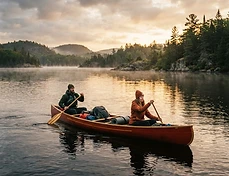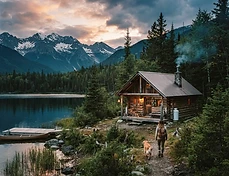
Canada doesn't have to break the bank. Here's how to stretch every dollar across flights, lodging, transport, and food — with a sample 7-day budget for first-time visitors.
Canada has a reputation for being expensive, and it's true that a careless trip can add up fast. But the country rewards travelers who plan ahead. From free national park days to off-peak lodging, a well-budgeted Canada trip can cost less than a week at a mid-tier resort closer to home.
This guide breaks down real, current costs across the five things you'll spend money on — flights, lodging, getting around, food, and activities — and ends with a sample 7-day budget you can adapt to any province.
- Flights: book the shoulder seasons
International airfare is usually your single biggest expense. The cheapest windows to fly into Canada are late April through early June and September through October, when demand dips after the summer rush. Toronto and Vancouver are the major hubs; flying into one and out of the other (an open-jaw ticket) often costs little more than a round trip and saves a domestic flight.
Use Google Flights' price tracking, set alerts 8–12 weeks out, and don't ignore budget carriers like Flair or Porter for domestic legs — just factor in their bag fees.
- Lodging: mix one splurge with budget nights
Accommodation is where budget discipline pays off the most. Instead of a week of hotels, pair two or three budget nights (hostels, vacation rentals, or a roadside motel) with one well-chosen splurge — say, a lakeside lodge in the Rockies or a historic inn in Quebec City.
Vacation rentals win for families and longer stays because you can cook. Look just outside city centers: a 20-minute transit ride from downtown Vancouver or Montreal routinely halves the nightly rate. In national parks, book park campgrounds early — they're a fraction of hotel cost and put you steps from the trailhead.
- Getting around: rent smart or ride the rail
Distances in Canada are large, so transport choices shape your budget. For one region (the Rockies, the Maritimes), a rental car gives the most freedom — book early and skip airport pickup to dodge fees. For cross-country travel, compare a one-way rental drop fee against a domestic flight; sometimes flying is cheaper.
In cities, transit day passes beat ride-shares every time. VIA Rail's Corridor service (Quebec City–Windsor) is scenic and reasonably priced if you book ahead, while the cross-country train is a splurge best reserved for a once-in-a-lifetime trip.
- Food: cook one meal a day
Dining out for three meals a day is the fastest budget drain. A simple rule: cook one meal a day yourself. Stock up at a grocery store on arrival, make breakfast in your rental or hostel kitchen, and save restaurant meals for the things you actually want to experience — a poutine in Montreal, fresh lobster in the Maritimes, a Chinatown dinner in Vancouver.
Lunch menus at good restaurants are often 30–40% cheaper than dinner for the same food. And don't forget: picnic lunches with a view are free entertainment.
- Activities: lean on the parks
Canada's greatest attractions — its landscapes — are remarkably affordable. A Parks Canada Discovery Pass covers entry to over 80 national parks and historic sites for a flat annual fee, and many parks have free admission days throughout the year. Hiking, lake swimming, and scenic drives cost nothing once you're there.
For paid experiences like boat tours, guided hikes, or cultural sites, book direct and look for online discounts. Many tour operators offer 10–15% off for booking ahead, and smaller towns often have free walking tours in summer.
A sample 7-day budget (per person, CAD)
This rough budget assumes a mid-range trip in shoulder season, mixing budget lodging with one splurge night:
— Flights (international, round trip): $700–$1,100 — Lodging (7 nights, mixed): $700–$1,200 — Car rental or transit: $250–$500 — Food (cooking one meal/day): $300–$450 — Activities and parks: $150–$300
Total: roughly $2,100–$3,550 per person for a full week. Trim the splurge night and cook more, and the floor drops closer to $1,800.
The bottom line
Canada rewards a little planning: fly in shoulder season, mix your lodging, cook one meal a day, and lean on the parks. Do those four things and you'll have money left over for the experiences that matter — whether that's a hot spring evening in the Rockies or a whale-watching morning on the Atlantic coast.
Ready to plan your trip? Use the booking tools alongside this article to find your hotel, reserve tours and activities, and rent a car — all in one place.
Ready to explore Canada's most popular destination?
Turquoise lakes, soaring peaks, and the Rockies' most iconic sights await in Banff, Alberta — our most-read destination guide.
Explore the Banff Destination Guide