Don't let the -30°C mercury scare you away from Canada's North. This expert packing guide ensures you stay warm, comfortable, and ready to chase the Aurora Borealis in the Yukon.
When the mercury dips to -30°C in Whitehorse, the Yukon transforms into a crystalline wonderland of dancing Northern Lights and untouched snowscapes. However, enjoying the Great North requires more than just a standard parka; it demands a tactical approach to layering that balances breathability with extreme thermal retention. If you are flying into Erik Nielsen Whitehorse International Airport (YXY), you are landing in the gateway to adventure.
The Layering Strategy
Forget bulky, single-piece suits. The secret to northern survival is the 'three-layer system.' Your base layer must be high-quality merino wool or synthetic moisture-wicking fabric. Avoid cotton at all costs; if you sweat and that moisture cools against your skin, you will be shivering in minutes.
Middle layers should be fleece or a lightweight down "sweater" that traps air, while your outer shell must be windproof and water-resistant. 🏨 Find hotels and places to stay in Whitehorse so you have a home base to organize your gear.
Essential Footwear and Extremities
Your feet are the first to suffer. Standard winter boots won't cut it when you are standing still watching the Aurora for three hours. Invest in boots rated to at least -40°C, such as those from Baffin or Sorel. Pair them with two pairs of wool socks—one thin liner, one thick outer sock—to ensure air circulation.
Never forget to protect your head and hands. A fur-lined hat with ear flaps is non-negotiable, and lobster-claw mittens are vastly superior to gloves because they keep your fingers together for shared heat. 🚗 Compare rental cars for your Yukon trip to ensure your vehicle is equipped with winter tires before heading toward the wilderness.
Gear for the Elements
Winter in the Yukon is dark for many hours, making headlamps essential. Even if you aren't hiking, a high-lumen headlamp is vital for late-night walks or setting up camera tripods. Batteries drain rapidly in the cold; carry extras in an internal jacket pocket close to your body heat.
If you plan on heading out of the city, consider the logistics of remote travel. 🎟️ Browse tours and activities in Whitehorse to find guided excursions that provide extra Arctic-grade gear, which can save you significant luggage space and hundreds of dollars in equipment costs.
What to Pack for Aurora Photography
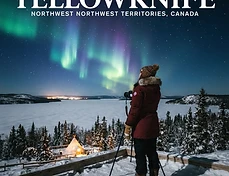
Capturing the Northern Lights requires patience and the right gear. A sturdy tripod is mandatory; plastic tripods can become brittle and snap in extreme cold. Consider purchasing 'hand warmers' in bulk. Taping them to the back of your camera or near your batteries can extend your shooting window by an hour.
Start Planning Your Trip
Ready to embrace the sub-arctic air? Use these links to get your northern adventure off the ground:
Ready to explore Canada's most popular destination?
Turquoise lakes, soaring peaks, and the Rockies' most iconic sights await in Banff, Alberta — our most-read destination guide.
Explore the Banff Destination Guide