Prepare for your backcountry adventure with this comprehensive Algonquin Park packing list designed to keep you safe, comfortable, and efficient on the water.
The Call of the Canadian Shield
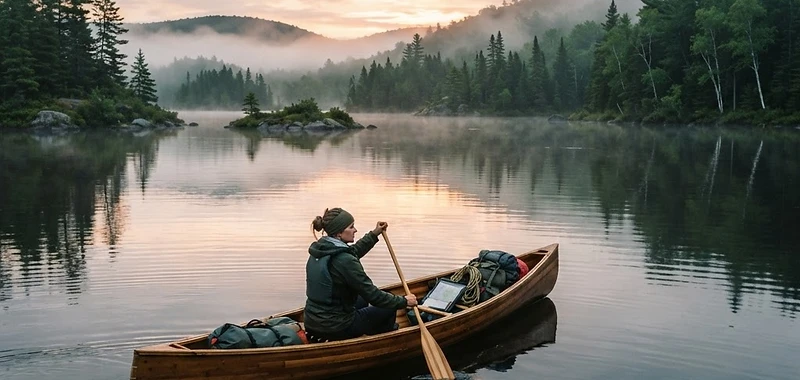
There is a specific, quiet magic to sliding a Kevlar canoe into the dark, reflective waters of an Algonquin lake at sunrise. As you navigate the portages and island-dotted passages that define this 7,653-square-kilometre wilderness, you quickly realize that your experience is entirely dependent on what you chose to fit into your pack. When you are twenty kilometres from the nearest access point, the right gear is the difference between a transformative adventure and a miserable slog.
The Essentials: Clothing and Footwear
Algonquin is famous for its unpredictable weather, where a balmy afternoon can surrender to a shivering thunderstorm in minutes. The key is layering. Avoid cotton at all costs; it holds moisture and loses its insulating properties, which can lead to hypothermia even in mid-summer.
- Base Layers: Moisture-wicking synthetic or merino wool.
- Mid Layers: A light fleece pullover.
- Outer Layer: A high-quality, breathable rain jacket.
- Footwear: Sturdy, closed-toe water shoes for portaging and a separate, dry pair of shoes for camp.
Before you head out, if you are flying into the region, 🚗 Compare rental cars for your Ontario trip to ensure you can reach remote access points like Canoe Lake or Brent with all your gear in tow.
Backcountry Gear and Safety
Your Algonquin Park packing list must prioritize weight management. Every extra kilogram adds to the strain on your shoulders during the infamous portages between lakes. Invest in a dedicated waterproof barrel or high-quality dry bags to keep your sleeping bag and clothes bone-dry during heavy rainfall.
- Navigation: A current waterproof topographical map and a reliable compass.
- Safety: A headlamp with spare batteries and a well-stocked first aid kit including blister care.
- Tools: A sturdy bushcraft knife and a compact folding saw for processing firewood.
Need a base before heading into the backcountry? 🏨 Find hotels and places to stay in Huntsville to get a good night's sleep before your morning launch. If you are new to the area, 🎟️ Browse tours and activities in Algonquin Park to book guided canoe excursions that provide expert safety briefings.
Nutrition on the Water
Weight is the enemy of the portage, so focus on high-calorie, low-weight, dehydrated meals. A standard canoe camping diet usually costs around $30-$45 CAD per person per day if you prepare your own dehydrated kits. Ensure you have a reliable water filtration system, such as a Sawyer Squeeze or Katadyn pump; while Algonquin’s water looks pristine, giardia and cryptosporidium are real risks in busy corridors.
Packing Summary
Remember, in the backcountry, simplicity is luxury. Pack only what you will use daily, and always leave your campsite cleaner than you found it. Algonquin is a fragile ecosystem; adhering to 'Leave No Trace' principles ensures this massive provincial park remains a sanctuary for future generations.
Start Planning Your Trip
Ready to explore Canada's most popular destination?
Turquoise lakes, soaring peaks, and the Rockies' most iconic sights await in Banff, Alberta — our most-read destination guide.
Explore the Banff Destination Guide