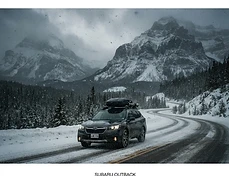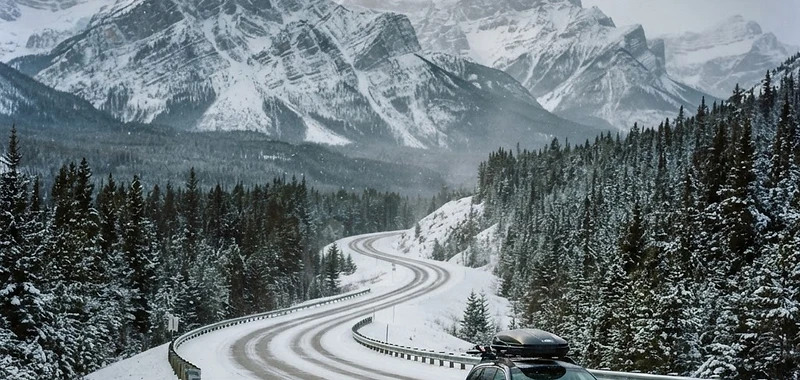
Crossing Canada in the winter is a breathtaking adventure, but it requires serious mechanical and safety preparation. Here is how to ready your vehicle for the frozen miles ahead.
Between the swirling snow of the prairies and the treacherous mountain passes of British Columbia, Winter Driving Canada is an exercise in both awe-inspiring beauty and calculated risk. Before you set out on a journey from YYZ to YVR, you must respect the reach of the Canadian winter. A breakdown on the Trans-Canada Highway isn't just an inconvenience; it can become a survival situation in sub-zero temperatures. ## Mechanical Readiness: The Foundation of Safety
Your first line of defense is your tires. In provinces like Quebec, winter tires are legally required, but even where they aren't, they are non-negotiable for a cross-Canada trek. Look for the 'Mountain Snowflake' symbol. Expect to pay between $800 and $1,500 CAD for a high-quality set installed. Check your battery health at a local shop; cold-cranking amps drop significantly when the mercury hits -30°C.
🚗 Compare rental cars for your mountain trip
Ensure your antifreeze is rated for extreme cold and that your windshield washer fluid is the purple -40°C variety. Carry at least two spare jugs in your trunk.
The Survival Kit for the Open Road
Even with a perfect car, the weather can turn in an instant near Lake Superior or through the Rogers Pass. Your trunk must be equipped with a 'Winter Emergency Kit.' This should include:
- A collapsible shovel (approx. $30 CAD)
- Heavy-duty jumper cables or a portable lithium jump starter ($150 CAD)
- Extra wool blankets and sleeping bags rated for freezing temperatures
- High-energy non-perishable snacks and water jugs (keep them near the heater)
- Road flares and a high-visibility vest
If you are heading to the Rockies, plan your stopovers carefully. 🏨 Find hotels and places to stay in Banff so you aren't forced to drive through late-night whiteouts.
Navigating the Terrain
Driving in Ontario near Wawa or across the vast stretches of Saskatchewan requires constant vigilance regarding road reports. Use the 511 service for every province you enter. When driving, maintain a following distance of at least eight seconds rather than the usual three. If you find yourself needing to break up the drive with some local culture, 🎟️ Browse tours and activities in Calgary to experience the city safely while waiting for a storm to pass.
Never use cruise control on snowy or icy roads; you need to feel the traction through your feet at all times. If you start to skid, steer into the slide, but avoid slamming the brakes. The goal is to keep your wheels rolling, which maintains steering authority.
Start Planning Your Trip
Ready to map out your icy adventure? Use these resources to ensure a safe and memorable journey:
Ready to explore Canada's most popular destination?
Turquoise lakes, soaring peaks, and the Rockies' most iconic sights await in Banff, Alberta — our most-read destination guide.
Explore the Banff Destination Guide