British Columbia's rugged terrain offers unparalleled beauty, but navigating its vast wilderness requires preparation and respect. Learn the essential safety protocols to ensure your next mountain trek is both thrilling and secure.
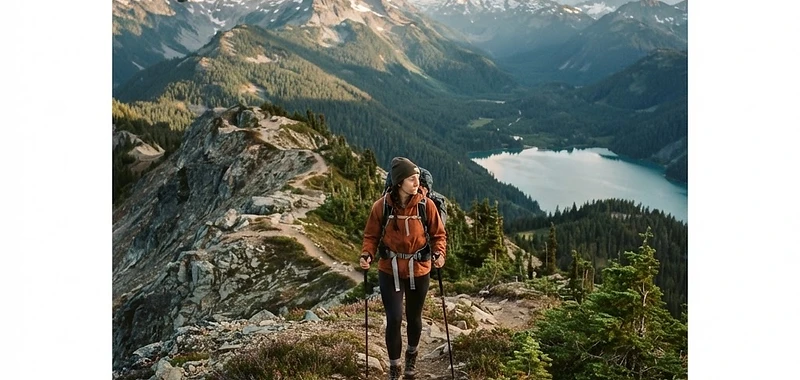
The silence of a British Columbia alpine meadow is only broken by the distant call of a raven and the rhythmic crunch of your boots on shale. However, the same untamed landscape that draws adventurers from around the world demands a level of respect that goes beyond simple navigation. If you plan to head into the backcountry, you need more than just a map; you need a comprehensive plan to handle the unpredictable nature of the wild.
The Golden Rule: Preparation and Communication
The most important of all wilderness hiking safety tips is the 'trip plan.' Before you leave your hotel, leave a detailed itinerary with someone you trust—not just where you are going, but exactly when you intend to be back.
If you are arriving via Vancouver International Airport (YVR), you are likely eager to hit the trail. Before you head out into the Coast Mountains, make sure you have the right gear. 🏨 Find hotels and places to stay in Vancouver while you finalize your route and check regional trail conditions via AdventureSmart.
Essential Gear for Remote BC Trails
When you are miles away from cell service near Squamish or deep in the Purcell Mountains, your equipment is your lifeline. You should never step onto a trail without these items:
- Navigation: A physical topographic map and a reliable compass (and the knowledge of how to use them).
- Communication: A satellite messenger like a Garmin inReach, which functions where cell phones fail.
- Wildlife Defense: Bear spray is mandatory in BC. Ensure it is accessible on your belt, not buried in your pack.
- The Ten Essentials: Extra food, water purification, emergency shelter, fire starter, and a first aid kit.
🚗 Compare rental cars for your British Columbia trip to ensure you have a reliable vehicle to get to remote trailheads like the start of the West Coast Trail or the E.C. Manning Park circuits.
Wildlife Encounters: Respect and Awareness
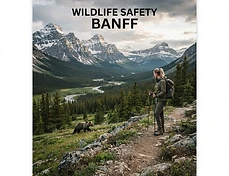
British Columbia is home to black bears, grizzly bears, and cougars. Encountering these animals is an incredible experience, but it requires a calm head. Always make noise while hiking, especially near rushing water or in dense brush, to avoid surprising a bear. If you spot a large animal, maintain your distance—at least 100 meters for bears and larger for moose or elk. Never run, as this triggers a predator's chase instinct.
Navigating Variable Terrain
BC's weather changes in an instant. A sunny morning in the Kootenays can turn into a freezing rainstorm by noon. Always dress in synthetic or wool layers, avoiding cotton at all costs. Check local weather reports for the specific elevation of your hike, as alpine conditions differ significantly from those at the trailhead.
If you are looking for guided support to learn these navigation skills, 🎟️ Browse tours and activities in Whistler to connect with professional mountain guides who offer backcountry safety clinics.
Start Planning Your Trip
Ready to experience the raw beauty of the BC backcountry? Use these resources to start your adventure:
Ready to explore Canada's most popular destination?
Turquoise lakes, soaring peaks, and the Rockies' most iconic sights await in Banff, Alberta — our most-read destination guide.
Explore the Banff Destination Guide