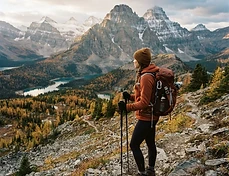
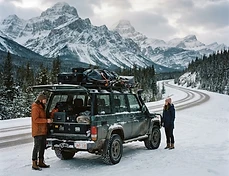
Mastering the rugged terrain of Yukon's Kluane National Park requires more than just grit; it demands a precise, lightweight kit designed for extreme alpine conditions. This guide breaks down exactly what you need to conquer the icefields safely.
Standing on the edge of the Donjek Glacier, with nothing but miles of crevasse-streaked ice stretching toward the St. Elias Mountains, you realize quickly that Kluane National Park is not for the faint of heart. When you are 50 kilometers from the nearest road and traversing terrain that shifts by the hour, your gear is literally your lifeline. Preparing for a multi-day trek here requires balancing weight, warmth, and specialized technical safety equipment.
Navigating the Gateway to the Ice
Before you head into the backcountry, you will likely fly into Whitehorse (YYZ to YXY, typically $700-$1200 CAD) and rent a vehicle to reach the Haines Junction visitor center. 🚗 Compare rental cars for your Yukon trip. Don't rush this stage; the logistical requirements for glacier travel mean you need a solid base of operations. 🏨 Find hotels and places to stay in Haines Junction. Once you are staged, your packing list must focus on the "Big Four" of alpine safety: traction, protection, insulation, and communication.
Essential Glacier Trekking Gear
Unlike standard hiking, glacier travel involves hidden hazards like crevasses and extreme wind chill, even in July. Your kit must be high-performance.
- Technical Footwear: You need a rigid-sole mountaineering boot (B1 or B2 rating) that can securely attach a crampon. Expect to pay between $450 and $700 CAD for a pair that provides ankle support and warmth.
- Crampons and Ice Axe: Ensure your crampons are compatible with your boots. A classic mountaineering axe (60-70cm) is mandatory for self-arrests on steep, icy slopes.
- Harness and Rope: Never travel on a glacier unroped. Carry a lightweight alpine harness and ensure you have at least 30 meters of dry-treated dynamic climbing rope per team.
- Crevasse Rescue Kit: This includes prusiks, pulleys, and locking carabiners. If you aren't certified in crevasse rescue, book a professional guide. 🎟️ Browse tours and activities in Kluane.
Layering for Extreme Yukon Conditions
In Kluane, the mercury can drop from 15°C in the sun to -5°C in the shade within minutes due to katabatic winds off the icefield. Your layering system should be:
- Base Layer: Merino wool or synthetic materials that wick moisture away from your skin.
- Mid-Layer: A heavy-duty fleece or a thin synthetic "puffy" jacket.
- Shell: A GORE-TEX or equivalent waterproof, breathable jacket. The wind protection here is more critical than water protection.
- Static Layer: A thick down parka (800+ fill power) for when you stop at camp. This is non-negotiable for safety if temperatures plummet.
Safety and Navigation
GPS devices are essential, but in the Kluane backcountry, cold temperatures kill lithium batteries fast. Always carry an analog map and compass, and know how to use them in a whiteout scenario. Furthermore, register your trip plan with Parks Canada at the Kluane National Park and Reserve office before setting foot on the trail. Carrying a satellite communicator like a Garmin inReach ($400-$600 CAD) is the standard for summoning help in this remote region.
Start Planning Your Trip
Ready to explore Canada's most popular destination?
Turquoise lakes, soaring peaks, and the Rockies' most iconic sights await in Banff, Alberta — our most-read destination guide.
Explore the Banff Destination Guide