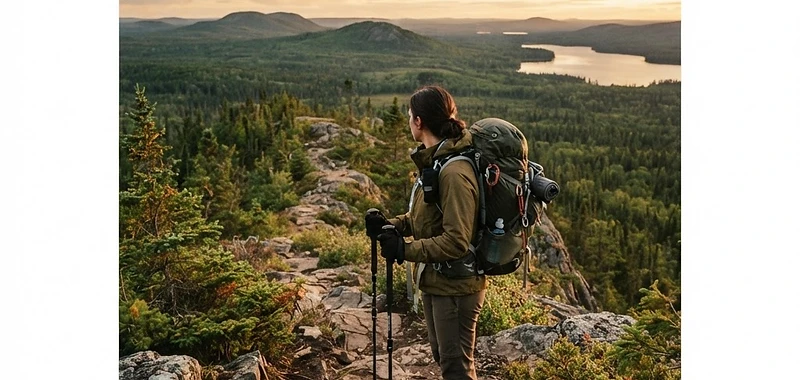
Escape the crowds and immerse yourself in the Manitoba wilderness with this essential packing list for a backcountry adventure in Riding Mountain National Park.
Escape the Ordinary in Manitoba’s Wilderness
When the spruce-clad hills of the Manitoba Escarpment call your name, standard camping gear simply won’t cut it. Riding Mountain National Park offers over 3,000 square kilometers of untamed boreal forest, aspen parkland, and rolling fescue prairie, requiring a strategic approach to your pack weight and gear selection. Whether you are trekking toward the remote campsites at Deep Lake or venturing into the North Escarpment, proper preparation is the difference between a transformative experience and a soggy, uncomfortable slog.
The Core Shelter and Sleep System
The climate in Riding Mountain can shift from hot, humid summer days to chilly, damp evenings in a matter of hours. Your sleep system is your primary defense against these fluctuations.
- Lightweight Tent: Aim for a 3-season tent under 2.5 kg. Ensure your rainfly is seam-sealed.
- Sleeping Bag: A synthetic or down bag rated to at least 0°C is recommended even in mid-July.
- Sleeping Pad: An insulated pad with an R-value of 3.0 or higher is non-negotiable for ground comfort.
Before you hit the trail, 🏨 Find hotels and places to stay in Wasagaming if you plan to acclimate for a night before your backcountry departure.
Navigating the Terrain
The trails here range from moderate forest hikes to challenging elevation gains on the escarpment. Distance between water sources can vary, so ensure your navigation is precise.
- Topographic Maps: Digital apps are great, but a physical map is mandatory in the park’s denser bush.
- Bear Safety Kit: This is mandatory bear country. Carry bear spray in an accessible holster and know how to use it.
- Water Filtration: A hollow-fiber filter system is essential to treat water from backcountry lakes and streams.
If you are flying into the region via Winnipeg (YWG), 🚗 Compare rental cars for your Manitoba trip to ensure you have a reliable vehicle to reach the park gates.
Clothing: The Layering Strategy
Cotton is the enemy in the backcountry. Stick to merino wool or high-quality synthetics to manage moisture.
- Base Layers: Moisture-wicking tops and bottoms.
- Mid-Layer: A fleece or light "puffy" jacket for camp evenings.
- Shell: A high-quality rain jacket that can withstand a sudden Manitoba thunderstorm.
- Footwear: Broken-in, waterproof hiking boots are vital for the root-heavy trails of the North Escarpment.
Need to stock up on gear or local experiences before heading into the backcountry? 🎟️ Browse tours and activities in Riding Mountain National Park to get the most out of your visit.
Nutrition and Kitchen Essentials
Backcountry meals should be calorie-dense and easy to prepare.
- Stove and Fuel: A compact canister stove is reliable and lightweight.
- Food Storage: Use a bear-resistant food container or a bear hang kit, as the local black bear population is active and curious about food smells.
- Hydration: Carry at least 2 litres of capacity. While streams are frequent, they can be silty, so bring a pre-filter or coffee filter to save your main water filter.
Start Planning Your Trip
Your adventure in one of Canada’s most underrated national parks starts with the right preparation. Don't leave your comfort to chance.
Ready to explore Canada's most popular destination?
Turquoise lakes, soaring peaks, and the Rockies' most iconic sights await in Banff, Alberta — our most-read destination guide.
Explore the Banff Destination Guide