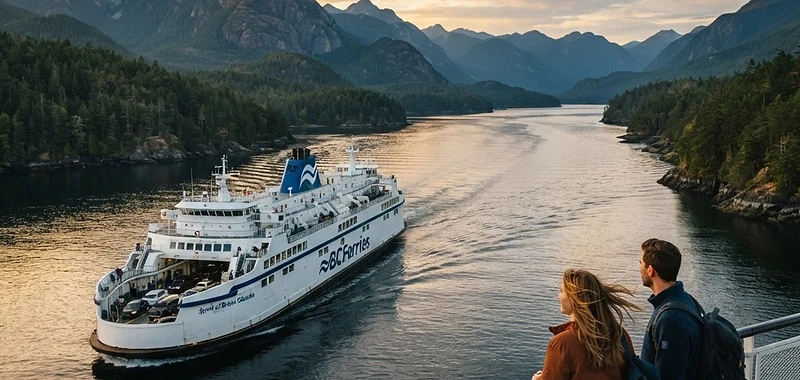
Master the art of ocean transit in Canada with these essential tips for traveling by ferry, ensuring your coastal journey is as smooth as the water.
There is a unique rhythm to Canadian coastal travel that begins the moment your tires roll onto the steel deck of a ferry. Whether you are navigating the churning tides of the Bay of Fundy or crossing the Salish Sea to Vancouver Island, traveling by ferry in Canada is far more than a transit requirement—it is the quintessential maritime experience. To ensure your journey is seamless rather than stressful, you need to understand the mechanics of these essential floating bridges.
1. Book Your Reservations Early
Unlike city transit, ferries in Canada are often subject to extreme demand, especially during long weekends and summer peak seasons. For popular routes like Horseshoe Bay (HSC) to Departure Bay (YCD) in British Columbia, wait times can stretch to four or five sailings.
Always book online at least two weeks in advance. If you are planning a trip to the Maritimes, specifically the route from Saint John, NB to Digby, NS, reservations are essentially mandatory for vehicles. 🏨 Find hotels and places to stay in Digby before you book your sailing to ensure you have a soft landing on the other side.
2. Master the Arrival Window
Most major ferry operators, such as BC Ferries or Marine Atlantic, require vehicles to be at the terminal 45 to 60 minutes before the scheduled departure. Arriving late risks losing your reservation, which can result in significant rebooking fees or being bumped to a standby list.
If you are flying into a major hub, ensure your vehicle rental logistics are tight. 🚗 Compare rental cars for your British Columbia trip to ensure you have a reliable vehicle capable of fitting comfortably on the deck. Being early gives you time to stretch your legs and grab a coffee without the adrenaline spike of a ticking clock.
3. Pack a 'Ferry Survival Kit'
Once the boat departs, you are often separated from your vehicle for the duration of the crossing. If you are sailing from North Sydney, NS to Port aux Basques, NL—a voyage that can take up to seven hours—you will want more than just your phone.
Pack a small bag with:
- A warm sweater or windbreaker for the top deck.
- A portable charger.
- Headphones and reading material.
- Cash, as some smaller ferry routes have limited credit card reception mid-channel.
🎟️ Browse tours and activities in Newfoundland while you wait, and use the deck time to finalize your itinerary for the rugged east coast.
4. Check Weather and Sailing Status
Coastal weather in Canada is notoriously fickle. High winds in the Hecate Strait or heavy fog in the Gulf of St. Lawrence can cause sudden schedule disruptions. Always check the operator’s service notice page two hours before you depart.
If a cancellation occurs, stay calm. Most operators are excellent at rebooking passengers on the next available vessel. Have your confirmation number handy and keep your phone charged to receive real-time updates.
5. Utilize Onboard Amenities Wisely
Modern Canadian ferries are essentially floating restaurants and lounges. On the larger routes between Vancouver and Victoria, you can find full buffet services and quiet zones.
However, if you are looking for a seat in the observation lounge, head there the moment you board. These spaces fill up quickly. If you are traveling with children, scout out the designated play areas immediately to keep the journey engaging for the whole family.
Start Planning Your Trip
Ready to hit the coast? Start your adventure by securing your base of operations and transit options today:
Ready to explore Canada's most popular destination?
Turquoise lakes, soaring peaks, and the Rockies' most iconic sights await in Banff, Alberta — our most-read destination guide.
Explore the Banff Destination Guide