Master the art of the portage with this curated guide to packing for your multi-day backcountry adventure in Ontario's crown jewel. Discover exactly what to pack for safety, comfort, and wilderness success.
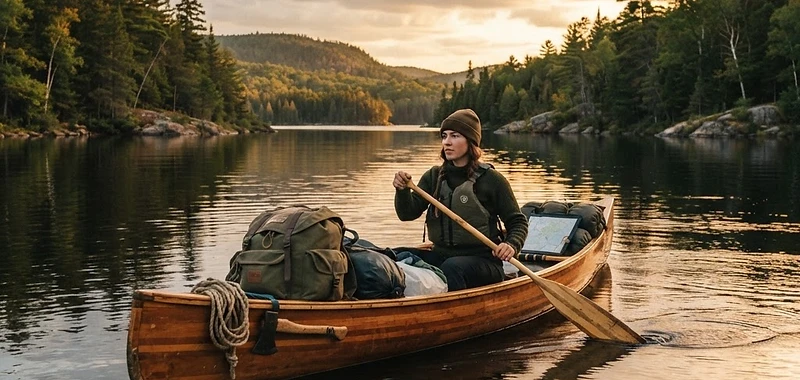
The moment your paddle breaks the glass-like surface of Canoe Lake, the frantic pace of modern life vanishes, replaced by the rhythmic dip and pull of a true wilderness escape. However, the beauty of Algonquin Park is matched only by its unforgiving nature if you arrive underprepared. To ensure your trip is remembered for the towering white pines rather than a missed essential, follow this strategic guide to packing for the backcountry.
The Golden Rule: Weight is Everything
Every ounce you pack is an ounce you must carry over the rugged portage trails between Oxtongue River and the interior lakes. Aim for a total pack weight of no more than 20% of your body weight. Remember, you can often save time by using 🏨 Find hotels and places to stay in Huntsville as a base camp before heading into the interior.
Shelter and Sleeping Systems
Your sleeping system is your lifeline against Algonquin’s unpredictable weather. Even in July, overnight temperatures can drop near freezing.
- Lightweight Tent: Aim for a 3-season tent with a high-quality rainfly.
- Sleeping Bag: Rated to at least 0°C. Synthetic insulation is safer as it maintains warmth when damp.
- Sleeping Pad: Closed-cell foam or a lightweight inflatable pad for essential insulation from the cold ground.
If you are flying in from YYZ, 🚗 Compare rental cars for your Ontario trip so you have the flexibility to haul your gear comfortably to the access point.
Apparel: The Layering Strategy
Forget cotton; it is the enemy of the backcountry. When wet, cotton leaches heat and dries slowly, leading to dangerous scenarios. Instead, embrace moisture-wicking synthetic or merino wool fabrics.
- Base Layers: Moisture-wicking tops and bottoms.
- Mid-Layer: A fleece or light down jacket for cool evenings.
- Shell: A high-quality rain jacket. Algonquin is known for sudden afternoon squalls.
- Footwear: Sturdy, broken-in trail shoes for hiking, and a pair of dedicated water shoes or secure sandals for portaging and paddling.
Nutrition and Kitchen Essentials
Cooking in the bush requires simplicity. Freeze-dried meals are lightweight, though packing fresh food for the first night is a luxury worth the weight.
- Stove and Fuel: A reliable canister stove is best for speed and weight.
- Water Filtration: Never drink raw lake water. A gravity filter or a portable UV purifier is essential to combat Giardia.
- Food Storage: Use a bear-resistant barrel or high-quality bear hangs. Algonquin’s black bears are notoriously clever.
If you find yourself with extra time, 🎟️ Browse tours and activities in Algonquin Park to get advice from local outfitters on current water levels and route conditions.
Safety and Navigation
Cell service is non-existent in the interior of the park. You must be self-reliant.
- Topographic Map and Compass: Never rely solely on a GPS device; battery life is finite.
- First Aid Kit: Should include moleskin for blisters, antiseptic, bandages, and basic painkillers.
- Multi-Tool and Duct Tape: The classic repair kit for broken paddle shafts or torn gear.
- Headlamp: With extra batteries. Nights are genuinely dark in the wilderness.
Start Planning Your Trip
Ready to trade the city lights for star-filled skies? Start your planning here:
Ready to explore Canada's most popular destination?
Turquoise lakes, soaring peaks, and the Rockies' most iconic sights await in Banff, Alberta — our most-read destination guide.
Explore the Banff Destination Guide