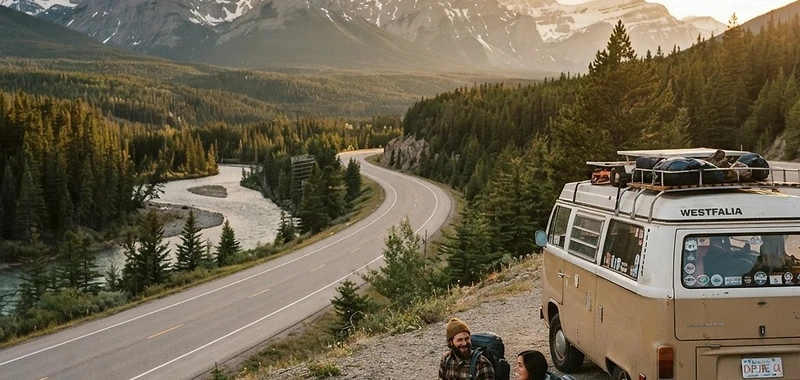
Crossing Canada by car is the ultimate bucket-list adventure, but it doesn't have to break the bank. Learn how to master the Trans-Canada Highway on a budget with these expert strategies.
The Trans-Canada Highway stretches over 7,800 kilometres of dramatic mountain passes, rolling prairies, and rugged coastal cliffs, serving as the spine of our nation. While the sheer scale can feel daunting to your wallet, traversing this iconic route is entirely achievable with strategic planning and a sense of adventure.
Rethink Your Accommodation Strategy
Fuel and food are unavoidable costs, but accommodation is where most budgets spiral out of control. Instead of booking traditional hotels every night, lean into Canada’s robust network of provincial and national park campsites. A Parks Canada Discovery Pass (approx. $75 CAD for an individual) pays for itself in just a few days of park visits.
For those nights when you crave a roof, consider hostels or smaller motels in secondary towns located about 30 minutes outside major tourist hubs. 🏨 Find hotels and places to stay in Revelstoke
Mastering the Road Logistics
If you aren't bringing your own vehicle, rental costs can be the largest single expense. To save, always book your vehicle well in advance and check for one-way rental deals that often arise as rental companies reposition fleets across provinces. 🚗 Compare rental cars for your national trip
Additionally, download fuel-tracking apps like GasBuddy to monitor prices. Filling up in larger centres like Winnipeg (YWG) or Regina (YQR) is almost always cheaper than in remote stretches of Northern Ontario or the mountain passes of British Columbia.
Eat Like a Local, Not a Tourist
Dining out three times a day will derail even the most generous budget. The golden rule of a Trans-Canada Highway road trip is the "cooler strategy." Stock up on bulk groceries at major supermarket chains when passing through cities like Calgary or Ottawa. Use your cooler to pack lunches for the road, reserving your dining budget for regional specialties, like poutine in Quebec or fresh lake trout in Northern Ontario. 🎟️ Browse tours and activities in Quebec City
Managing the Vast Distances
Canada is massive; trying to rush the drive results in high gas consumption and missed opportunities. By planning your trip to include at least 14 to 21 days, you save on emergency fuel costs and have time to take advantage of free activities like hiking in the Rockies or exploring local public beaches.
Remember that while Highway 1 is the main artery, secondary highways often offer more scenery and cheaper small-town amenities. Avoid the toll roads where possible and use free offline navigation apps to stay on track through spotty cellular service areas.
Start Planning Your Trip
Ready to hit the road? Use these resources to kickstart your cross-country journey:
Ready to explore Canada's most popular destination?
Turquoise lakes, soaring peaks, and the Rockies' most iconic sights await in Banff, Alberta — our most-read destination guide.
Explore the Banff Destination Guide