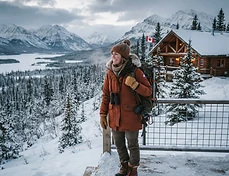
Ready to conquer the Long Range Mountains? Here is your essential backcountry camping packing list for a safe and unforgettable adventure in Gros Morne National Park.
The Call of the Long Range
The mist clings to the ancient rock faces of the Long Range Mountains like a secret kept since the dawn of time. If you are planning your first foray into the backcountry of Newfoundland’s Gros Morne National Park, you are signing up for one of Canada’s most rugged and rewarding wilderness experiences. Before you head to YDF airport, ensure your pack is optimized for terrain that is as unforgiving as it is breathtaking.
1. A High-Quality Satellite Messenger
Cell service is non-existent once you step off the established trails at Trout River Pond. A device like the Garmin inReach Mini ($450 CAD) is non-negotiable for safety. Whether you need to check in with family or signal for rescue, it provides peace of mind in the deep backcountry.
🚗 Compare rental cars for your Newfoundland trip
2. A Reliable Three-Season Shelter
Gros Morne is notorious for rapid weather shifts, even in mid-July. You need a free-standing tent that can withstand high winds and heavy precipitation. Look for a tent with a full-coverage rainfly; you do not want to be testing your waterproof seams while the wind howls off the Gulf of St. Lawrence.
3. A Multi-Fuel Stove and Backcountry Cookset
Gas canisters can be tricky to source locally in remote areas, so a multi-fuel stove is a smart investment. It allows you to utilize white gas or kerosene, which are more readily available in Western Newfoundland. Remember to pack a lightweight, nesting aluminum cookset to keep your pack weight under 35 lbs.
🎟️ Browse tours and activities in Gros Morne
4. A Comprehensive Water Filtration System
While the streams in the park look pristine, the risk of Giardia is real. A hollow-fiber membrane filter, such as a Sawyer Squeeze, is lightweight and highly effective. Always carry a secondary chemical treatment method, like chlorine dioxide tablets, as a backup in case your filter freezes or clogs.
5. Specialized Footwear and Gaiters
The bogs of the Long Range Traverse are legendary for their ability to swallow hiking boots whole. Invest in waterproof, high-cut leather boots and pair them with durable, breathable gaiters. Keeping your feet dry is the single most important factor in preventing blisters and maintaining morale during your 35-kilometre trek.
🏨 Find hotels and places to stay in Rocky Harbour
6. A Well-Stocked Repair Kit
When you are three days from the nearest road, a broken tent pole or a torn sleeping pad can end your trip. Your repair kit should include Tenacious Tape, spare paracord, zip ties, and a small tube of seam sealer. These items weigh mere grams but can save your shelter in a storm.
7. Bear-Safe Food Storage
Newfoundland is home to one of the highest densities of black bears in North America. You must store your food in a certified bear-resistant canister or use a proper hanging system at least 4 metres above the ground. Check the latest park regulations at the Discovery Centre before you head out, as requirements can change based on current bear activity.
Start Planning Your Trip
Ready to explore Canada's most popular destination?
Turquoise lakes, soaring peaks, and the Rockies' most iconic sights await in Banff, Alberta — our most-read destination guide.
Explore the Banff Destination Guide