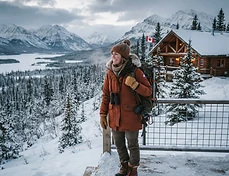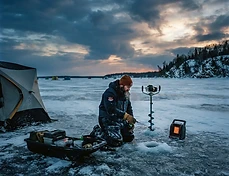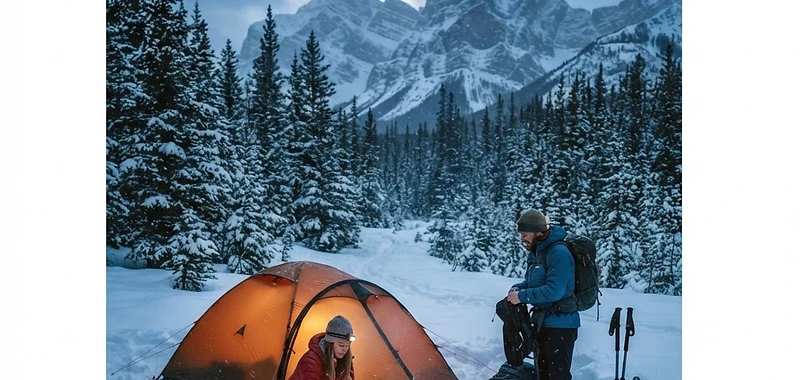
Experience the silence of the Rockies by mastering winter camping in Kananaskis Country. This guide covers the essential gear you need to stay warm, safe, and comfortable in the sub-zero temperatures of Alberta’s wilderness.
When the mercury drops below minus twenty, most people retreat to the warmth of the hearth, but the true magic of the Canadian Rockies reveals itself in the absolute stillness of a snowy Kananaskis night. If you are ready to swap a hotel room for a tent under the stars, preparing the right winter camping gear is not just a recommendation—it is a survival necessity. With proper planning, a night at sites like Interlakes or Elkwood can be the highlight of your year.
The Foundation: Shelter and Warmth
Your tent needs to withstand more than just wind; it must handle the weight of heavy snowfall and trap the heat generated by your body. Invest in a 4-season tent with a sturdy pole structure and a full-coverage rainfly.
🏨 Find hotels and places to stay in Kananaskis if you decide to warm up after your first night out. Inside your tent, your sleep system is paramount. You need an insulated sleeping pad with an R-value of at least 5.0 to prevent the frozen ground from leaching your core temperature.
Essential Sleep Gear
- Sleeping Bag: Rated to at least -20°C. Look for synthetic insulation, which retains heat even if it gets damp from condensation.
- Sleeping Pad: Combine a closed-cell foam pad underneath an inflatable insulated pad.
- Hot Water Bottle: Fill a leak-proof Nalgene with boiling water and place it in the bottom of your bag.
Navigating the Terrain
Getting to your campsite is half the adventure. You will likely be traveling through deep, powdery snow, making snowshoes essential. If you are flying into the region, you will land at Calgary International Airport (YYC), located about 90 minutes from the heart of Kananaskis.
🚗 Compare rental cars for your Alberta trip to ensure you have a vehicle with 4WD or AWD capabilities, as Highway 40 can become treacherous in January and February. Once you arrive, keep your gear organized in a high-capacity expedition pack with external attachment points for your poles and snowshoes.
Nutrition and Hydration
Your body burns significantly more calories in the cold, so pack high-fat, high-carb meals that are easy to prepare. Avoid gear that relies on liquid fuel stoves if you are a beginner, as they require maintenance; a reliable canister stove with an inverted fuel canister system works best in the cold.
🎟️ Browse tours and activities in Kananaskis to get familiar with the local trail conditions and guided winter excursions before you head into the backcountry. Always carry a thermos for instant hot drinks, as hydration is the best way to prevent hypothermia.
Safety and First Aid
Never venture into the backcountry without a proper winter safety kit. This includes a satellite messenger, a headlamp with extra lithium batteries (which perform better in the cold than alkaline), and a basic first aid kit with heat-reflective emergency blankets. Always check the avalanche bulletins before heading out on any terrain with even a slight incline.
Start Planning Your Trip
Ready to embrace the frost? Start your planning with these resources:
Ready to explore Canada's most popular destination?
Turquoise lakes, soaring peaks, and the Rockies' most iconic sights await in Banff, Alberta — our most-read destination guide.
Explore the Banff Destination Guide