Don't let subpar footwear ruin your Newfoundland adventure. Learn exactly what you need to handle the challenging, shifting terrain of Gros Morne National Park.
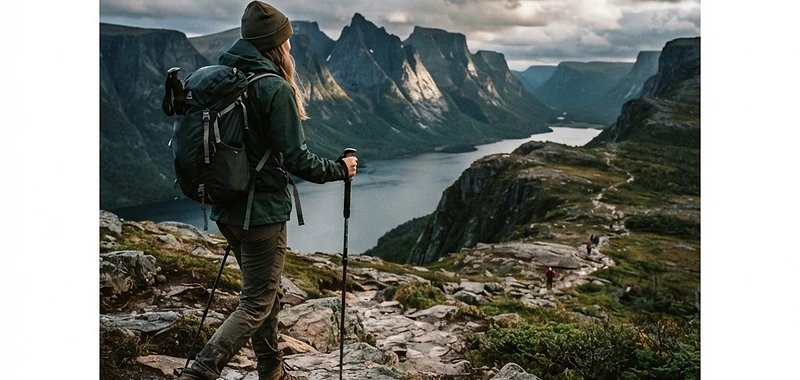
The Long Range Traverse in Gros Morne National Park isn't just a hike; it’s a high-stakes endurance test where the ground beneath your feet can transition from mossy bog to jagged limestone in a single kilometer. If you arrive at Deer Lake Airport (YDF) with flimsy city sneakers, your trek will likely end in blisters or a turned ankle before you even reach the spectacular views of Western Brook Pond. This Gros Morne hiking boots guide is designed to keep you vertical and comfortable on one of Canada’s most unforgiving landscapes.
Understanding the Gros Morne Landscape
Gros Morne is a geological wonderland, but its beauty is brutal on footwear. You are looking at a mix of wet bogs, sharp, exposed serpentine rock, and steep, sustained climbs. Unlike groomed park trails, the backcountry here requires boots that offer significant lateral support.
Before you fly out, you should ensure your home base is sorted. 🏨 Find hotels and places to stay in Rocky Harbour. Being centrally located makes it easier to test your gear on shorter trails like the Green Gardens hike (approx. 16km round trip) before tackling the big mountains.
What to Look for in Your Boots
When shopping for boots, focus on three non-negotiable features: waterproof integrity, ankle support, and aggressive traction.
- Waterproof Membrane: Look for Gore-Tex or similar proprietary liners. Newfoundland is famous for its "mists" and boggy tundra. Wet feet equal instant hotspots and blisters.
- Stiff Midsole: The Tablelands are covered in loose, razor-sharp rock. A stiff sole prevents your arches from fatiguing over 10-15 kilometers of uneven ground.
- Ankle Support: Mid-to-high cut boots are essential. When carrying a 30lb pack for a multi-day hike, you need that extra stability to prevent rolls on rocky slopes.
If you need to pick up supplies or rental gear once you land, 🚗 Compare rental cars for your Newfoundland trip to ensure you have the flexibility to visit outfitters in Corner Brook or Deer Lake before heading into the park.
The Investment vs. Value Reality
Quality hiking boots are an investment, typically ranging from $250 to $450 CAD. While it is tempting to save, remember that you are paying for the safety of your joints. If you haven't booked your guided excursions yet, 🎟️ Browse tours and activities in Gros Morne to find guides who can provide additional insights into current trail conditions, as the "mud factor" can change significantly based on recent rainfall.
Breaking Them In Before You Go
Never wear brand-new boots to Gros Morne. You should log at least 30 to 50 kilometers in your chosen pair before you board your flight. This allows the leather or synthetic materials to soften and ensures you identify any potential pressure points. Wear the specific wool socks you plan to use on the trail during these "break-in" walks.
Start Planning Your Trip
Ready to put your gear to the test? Start organizing your expedition with these helpful resources:
Ready to explore Canada's most popular destination?
Turquoise lakes, soaring peaks, and the Rockies' most iconic sights await in Banff, Alberta — our most-read destination guide.
Explore the Banff Destination Guide