The most sunshine in Canada, yellow canola in July, golden aspens in fall, and -30°C winters — when to visit Canada's most underrated province.
Saskatchewan is the prairie — 250,000 square miles of big sky, grass, and boreal forest, with the most hours of sunshine of any Canadian province and the most dramatic temperature swing. The right time depends on what you came for. Here's the breakdown.
Spring (April – May) The thaw. The snow goes, the prairie greens, and the migratory birds return in the millions — Saskatchewan is on three major flyways, and the birdwatching is world-class. Weather is mild (10–20°C) and changeable. The lakes are still cold.
Summer (June – August) Peak season. The prairie is golden-green, the lakes warm, the canola is in bloom (bright yellow fields in July), and the festivals run — Saskatoon's Jazz Festival and Fringe, the RCMP Musical Ride in Regina. It's hot (25–35°C) and sunny; this is the season. Book accommodations ahead in July.
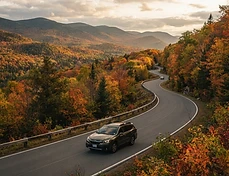
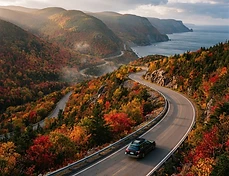
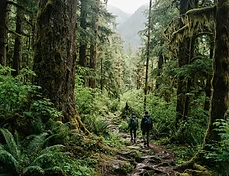
Fall (September – October) The locals' pick. The crowds leave, the aspen and birch turn gold, the harvest is in (the grain elevators are busy), and the weather is crisp and bright (10–20°C). The boreal forest in Prince Albert National Park is spectacular. A top-tier window.
Winter (November – March) Cold and long — Saskatchewan is one of the coldest places in Canada (-30°C common, -40°C possible). But it's bright (the most sunshine of any province) and the snow is dry and good. Cross-country skiing, snowmobiling, and ice fishing are the sports. The cities keep going. Most visitors skip it.
The bottom line Summer for the lakes, the festivals, and the canola, fall for the colour and the harvest, spring for the birds, and winter for the cold and quiet. Saskatchewan's seasons are dramatic — match the trip to the season.
Ready to explore Canada's most popular destination?
Turquoise lakes, soaring peaks, and the Rockies' most iconic sights await in Banff, Alberta — our most-read destination guide.
Explore the Banff Destination Guide