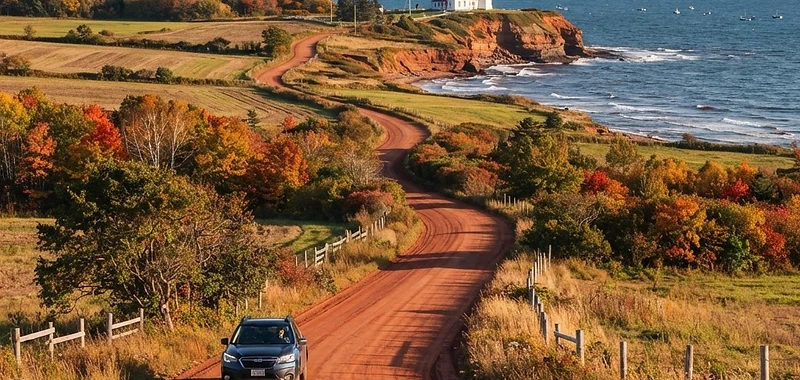
First lobster in spring, warm swimming in summer, empty beaches and gold fields in fall — when to visit Canada's smallest province.
Prince Edward Island has a short, intense season — the island goes from quiet to packed and back again in four months. The right time to visit depends on what you came for. Here's the breakdown.
Spring (May – June) The island wakes up. Farmers' fields green up, lobster season opens (May), and the first visitors arrive before the peak. It's quiet, cool, and the accommodations are cheapest. The water is too cold to swim, but the beaches are empty and the daffodils are out.
Summer (July – August) Peak season. The water is warm enough to swim (the Gulf of St. Lawrence hits 20°C), the days are long, and the island hums with festivals — the Cavendish Beach Music Festival, Charlottetown's Festival of Lights, and lobster suppers every night. Book accommodations months ahead; rates and crowds peak in late July.
Fall (September – October) The locals' secret. The crowds leave after Labour Day, but the water stays swimmable into mid-September, the beaches are yours, and the farm fields turn gold. It's the best value and the best weather. The first frost comes in October.
Winter (November – April) Quiet and cold. Many restaurants and inns close, the beaches freeze, and the island goes back to its year-round residents. The upside: ice roads, snowshoeing, and a true escape — if you can find a place to stay. Most visitors skip it.
The bottom line Come in July–August for the full PEI experience, in September for quiet and value, in June for the first lobster, and skip winter unless you want isolation. PEI's season is short — match your trip to it.
Ready to explore Canada's most popular destination?
Turquoise lakes, soaring peaks, and the Rockies' most iconic sights await in Banff, Alberta — our most-read destination guide.
Explore the Banff Destination Guide