Maple in spring, lake swimming in summer, the finest fall foliage in Canada, and the Rideau Canal skateway in winter — when to go to Ontario for what you love.
Ontario is huge — from Windsor at the US border to the remote boreal north — so the right time to visit depends on the region and what you came for. Here's the breakdown.
Spring (April – May) The thaw. Sugar shacks open for the maple harvest; Ottawa's Tulip Festival blooms in May; and Toronto shakes off winter with patio season. Weather is variable — pack layers and a rain jacket.
Summer (June – August) Peak season. Toronto and Ottawa are warm (25–30°C), the lakes are swimmable, and cottage country hums. Book accommodations early for weekends, especially in Muskoka and Algonquin. It's also festival season — Caribana, the Ex, Bluesfest — so expect crowds and higher rates.
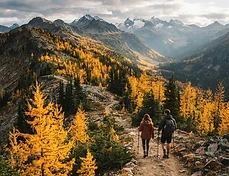
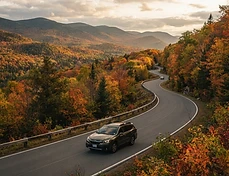
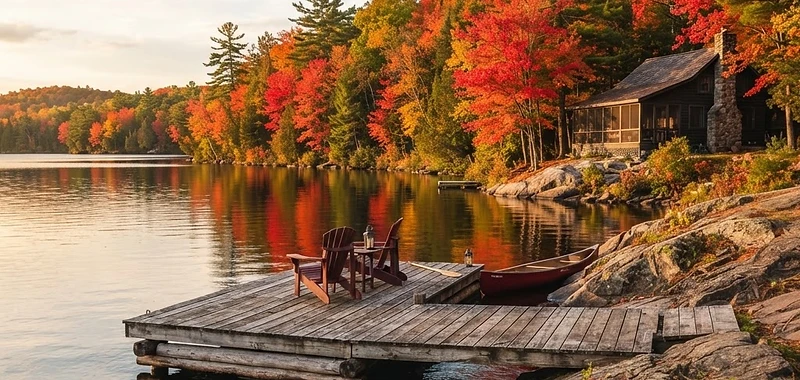
Fall (September – October) Ontario's finest. The province puts on a maple show from late September to mid-October — Algonquin, Muskoka, and the Bruce Peninsula blaze red and gold. Crowds thin after Labour Day, the weather is crisp, and it's the best time for hiking and road trips. A top-tier window.
Winter (December – March) Cold and snowy across the south, genuinely arctic in the north. But winter is when Ontario does its signature things: skating the Rideau Canal in Ottawa (the world's largest skating rink), skiing Blue Mountain, snowmobiling the trails, and ice fishing. Toronto stays busy and is cheaper than summer.
The bottom line Summer for the cities and lakes, fall for the foliage and quiet, winter for snow and skating, spring for maple and tulips. Ontario's seasons are dramatic — match the trip to the season and you won't go wrong.
Ready to explore Canada's most popular destination?
Turquoise lakes, soaring peaks, and the Rockies' most iconic sights await in Banff, Alberta — our most-read destination guide.
Explore the Banff Destination Guide