The floe-edge in spring, the midnight sun in summer, the colour and first aurora of fall, and the polar night of winter — when to visit Nunavut.
Nunavut is the land of the extremes — 24 hours of daylight in the high-Arctic summer, the long dark of the polar winter with the aurora, and the dramatic spring return of the light. The right time depends on what you came for. Here's the breakdown.
Spring (March – May) The Inuit spring — the snow is hard, the days lengthen fast, and the floe-edge trips (the narwhal, the polar bears, the seals at the ice edge) are at their best. April is the sweet spot — light, not too cold, and the floe-edge life. Toonik Tyme in Iqaluit (April) is the spring festival.
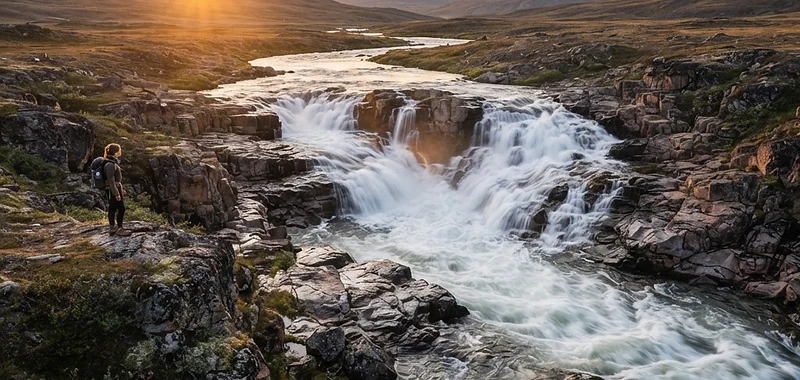
Summer (June – August) The main season. The midnight sun (Iqaluit gets 20 hours of daylight in June; the high Arctic, 24), the tundra in bloom, the open water, and the hiking. The boat access to the fiords and the parks opens. It's 'warm' by Arctic standards (5–15°C). Book ahead; this is the short, busy season.
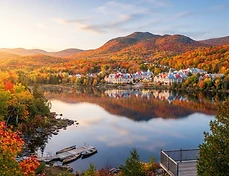
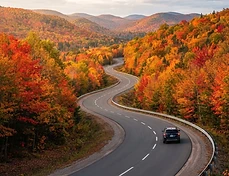
Fall (September – October) The brief, dramatic fall. The tundra turns red and gold, the aurora returns to the night sky (the first dark skies after summer), and the light is spectacular. September is a top-tier window for photography — colour and northern lights.
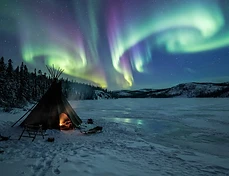
Winter (November – February) The long dark — Iqaluit gets 4 hours of daylight in December; the high Arctic, none (the polar night). It's cold (-40°C possible) and dark, but the aurora is at its most reliable and the communities are active inside. Christmas in the Arctic and the return of the light (the 'sun-return' celebrations in January) are the story. Most visitors skip it.
The bottom line April–May for the floe-edge and the spring light; June–August for the midnight sun and the hiking; September for the colour and the aurora; winter for the polar night and the northern lights. Nunavut's seasons are the most extreme in Canada — match the trip to the season.
Ready to explore Canada's most popular destination?
Turquoise lakes, soaring peaks, and the Rockies' most iconic sights await in Banff, Alberta — our most-read destination guide.
Explore the Banff Destination Guide