Lobster in spring, the Cabot Trail and warm beaches in summer, Celtic Colours and fall foliage in autumn — when to visit Canada's ocean province.
Nova Scotia is almost entirely surrounded by the Atlantic — a peninsula the size of Scotland with 13,000 km of coastline, lobsters in spring, the Cabot Trail in summer, and the warmest beaches north of the Carolinas. The right time depends on what you came for. Here's the breakdown.
Spring (April – June) Lobster season. The inshore lobster fishery opens, the asparagus and fiddleheads come up, and the whales arrive. Weather is mild but cool (10–18°C); the coast is still raw. The best seafood of the year.
Summer (July – August) Peak season. The beaches warm (the Northumberland Shore has the warmest water north of the Carolinas), the Cabot Trail is in full glory, and the festivals run — the Halifax International Buskers, the Lunenburg Folk Harbour, and the Celtic Colours build-up. Book accommodations months ahead.
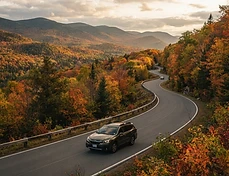
Fall (September – October) The locals' pick. The crowds leave, the leaves turn (Cape Breton is spectacular), the lobster season reopens, and the Celtic Colours Festival (mid-October) is the cultural highlight of the year. Weather is crisp and the light is golden.
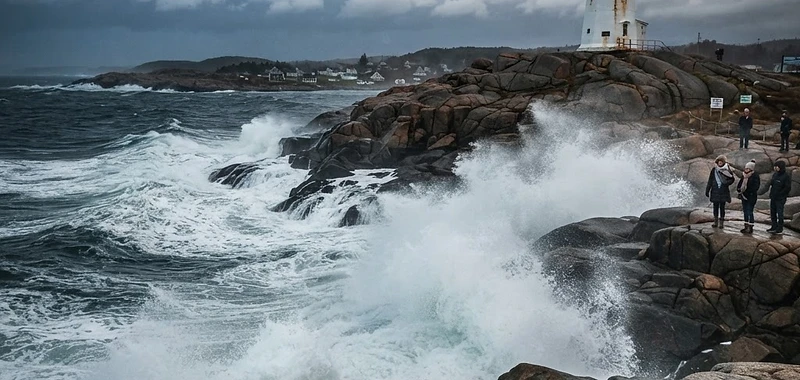
Winter (November – March) Quiet and cold. The coast is dramatic and empty, the inns are cheap, and the cities keep going. Some attractions and ferries close; check ahead. It's the season for storm-watching, pub fires, and solitude.
The bottom line Summer for the beaches and the Cabot Trail, fall for the colour and Celtic Colours, spring for the lobster, and winter for solitude. Nova Scotia's seasons all reward — match the trip to the season.
Ready to explore Canada's most popular destination?
Turquoise lakes, soaring peaks, and the Rockies' most iconic sights await in Banff, Alberta — our most-read destination guide.
Explore the Banff Destination Guide