Canada changes completely with the seasons. Here's an honest, month-by-month breakdown of what each season offers — and how to pick the right one for your trip.
Canada is a country of four very different countries, depending on when you arrive. The same valley that's buried in powder in February is a wildflower meadow in July and a golden postcard by October. Picking the right season is the single biggest lever on what your trip actually feels like — and what it costs.
This guide walks through each season honestly: what's great, what's hard, and who it suits best.
Winter (December–March): snow, aurora, and quiet cities
Winter is Canada's most dramatic season. The Rockies turn into a ski paradise, Quebec City becomes a frozen European postcard, and the northern sky lights up with the aurora borealis. Cities are quieter and hotels drop their rates — except over the Christmas holidays and during big festivals.
What's great: world-class skiing, dog sledding, ice hotels, frozen waterfalls, and the Northern Lights in Yukon and the Northwest Territories. Winterlude in Ottawa and the Quebec Winter Carnival are bucket-list events.
What's hard: short daylight hours, bitter cold in the Prairies and interior BC, and some rural roads close entirely. Pack seriously — layers, real winter boots, a windproof shell.
Best for: skiers, aurora chasers, and travelers who love cold-weather cities with fewer crowds.
Spring (April–May): thaw, wildlife, and shoulder-season value
Spring is Canada's quietest travel season, and that's exactly its appeal. Snow melts in the valleys while the high country stays skiable into April. Wildlife wakes up — bear viewing picks up on the coast, and millions of migratory birds stop over in the Prairies and the Great Lakes.
What's great: lower prices before the summer rush, blooming cherry trees in Vancouver (late March–April), and the maple syrup season in Quebec and Ontario. Long daylight returns.
What's hard: weather is unpredictable — a sunny morning can turn to sleet. Mountain trails are muddy and many backcountry routes stay closed until June.
Best for: budget travelers, photographers, and anyone who prefers cool weather and empty trails.
Summer (June–August): the peak, and for good reason
Summer is when Canada shows off. Every national park is fully open, lakes are warm enough to swim in the south, and festivals fill every weekend from St. John's to Victoria. Days are long — in June, parts of the country see the sun past 10 p.m.
What's great: hiking, lake swimming, camping, road trips, whale watching on both coasts, and every attraction operating at full hours. Banff, Cape Breton, and the Bay of Fundy are at their best.
What's hard: it's the most expensive and most crowded time, especially in the Rockies and in major cities. Book lodges and park campsites months ahead, and expect peak rates everywhere.
Best for: first-time visitors, families, and anyone whose top priority is good weather and full access.
Fall (September–October): the sweet spot
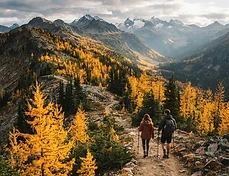
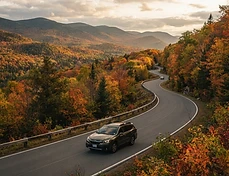
Ask seasoned Canada travelers their favorite season and many will say fall. The crowds thin, the air turns crisp, and the leaves — particularly in Ontario, Quebec, and the Maritimes — go through an extraordinary color shift. It's the season of harvest festivals, fewer mosquitoes, and trails that are dry and cool underfoot.
What's great: stunning fall foliage, comfortable hiking weather, lower rates than summer, and the grape harvest in Niagara and the Okanagan. Wildlife is active ahead of winter.
What's hard: weather shifts fast in October, and by late October snow returns to the mountains. Some seasonal businesses in resort towns start closing.
Best for: photographers, hikers, and travelers who want the best balance of weather, scenery, and value.
How to choose
If it's your first trip and you want the full postcard experience, go in summer. If you want to save money and don't mind variable weather, aim for late spring or fall. If you're chasing snow, aurora, or winter sports, embrace December through March.
One more tip: build in a buffer. Canada's weather is real, and a delayed flight or a closed pass is part of the experience — leave a little slack in your itinerary for it.
Ready to pick your season and book it? Use the planning tools alongside this article to lock in your hotel, reserve tours and activities, and rent a car for the road trip of a lifetime.
Ready to explore Canada's most popular destination?
Turquoise lakes, soaring peaks, and the Rockies' most iconic sights await in Banff, Alberta — our most-read destination guide.
Explore the Banff Destination Guide