Escape the grid and embrace the silence of Northern British Columbia with these five essential safety tips for your remote cabin adventure.
The call of the wild is loudest in the vast, rugged expanses of Northern British Columbia, where the silence is only broken by the rustle of hemlock trees and the distant call of a loon. However, trading cell service for true solitude requires more than just a packed bag; it demands rigorous preparation to ensure your off-grid retreat remains a peaceful escape rather than a survival situation.## 1. Prioritize Reliable Satellite Communication In places like the remote valleys surrounding Stewart or the sprawling wilderness near the Yukon border, cell service is non-existent. You cannot rely on your smartphone for emergencies. Invest in a satellite messenger like a Garmin inReach, which allows for two-way texting and SOS capabilities. Before you head out, 🚗 Compare rental cars for your Northern BC trip that are equipped with high-clearance tires, as reaching your cabin may involve logging roads where help is hours away.
2. Master the Water and Power Systems
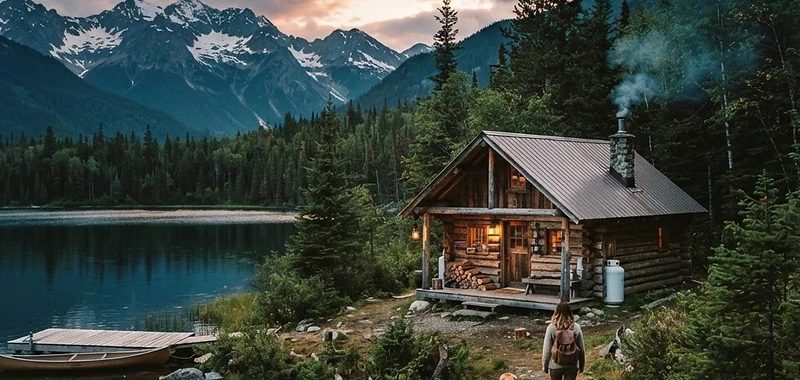
Off-grid cabins, such as those found near the pristine shores of Atlin Lake, often rely on gravity-fed water or solar-powered pumps. Ask your host specifically about the water source; if it is from a lake or stream, you must have a high-quality filtration system or be prepared to boil everything for at least one minute. Many remote rentals charge an additional $50-$100 fee for a "systems walkthrough," which is a bargain to ensure you don't end up without heat or lights.
3. Understand Wildlife Etiquette
Northern BC is prime grizzly and black bear habitat. When you are booking, verify that the cabin has a secure, bear-proof storage shed for food and waste. Never keep scented toiletries or food inside your vehicle overnight if the cabin doesn't have an airtight enclosure. 🎟️ Browse tours and activities in Terrace to get connected with local guides who can teach you the basics of bear awareness before you venture deep into the backcountry.
4. Plan Your Arrival for Daylight Hours
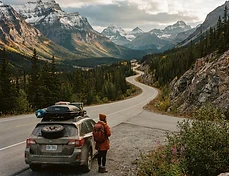
Driving the Yellowhead Highway (Highway 16) is breathtaking, but the secondary gravel roads leading to remote cabins are unforgiving after sunset. Aim to arrive at your rental by 3:00 PM. This gives you time to navigate any washouts, locate the propane tanks, and settle in before the temperature drops. If you are flying into the region, 🏨 Find hotels and places to stay in Prince George for your first night so you can start your drive to the remote cabin fresh in the morning.
5. Pack for Extreme Weather Variability
Even in July, nights in the Northern interior can dip to near freezing. Always pack a "redundancy kit" that includes extra dry fuel, a reliable headlamp with two sets of spare batteries, and a comprehensive first-aid kit. The isolation is the draw, but it is also the risk. Always leave a detailed itinerary and your expected return date with a trusted contact back home.## Start Planning Your Trip Ready to find your own slice of wilderness? Check out these resources to get your journey started:
Ready to explore Canada's most popular destination?
Turquoise lakes, soaring peaks, and the Rockies' most iconic sights await in Banff, Alberta — our most-read destination guide.
Explore the Banff Destination Guide