Canada in January: The Ultimate Winter Experience
January in Canada is the heart of winter, offering pristine snow conditions and a unique cultural atmosphere. Whether you are seeking world-class skiing in the Rockies or exploring the historic, frozen streets of Old Quebec, January provides a quiet, authentic glimpse into the Canadian spirit.
At-a-Glance
| Feature | Details | | :--- | :--- | | Avg Temp (Coast) | -2°C to 5°C | | Avg Temp (Central) | -15°C to -25°C | | Top Activity | Skiing & Ice Skating | | Best Region | Quebec & British Columbia | | Crowd Levels | Low (post-holidays) |
Best Places to Visit
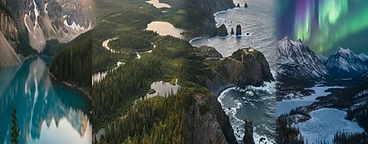
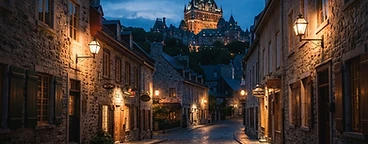
For a quintessential Canadian January, Quebec City is unmatched. Its historic fortifications and narrow, snow-dusted streets evoke a European charm. In the west, Banff National Park is a must-visit, offering breathtaking alpine scenery. For those preferring milder winters, Vancouver serves as the perfect base, where you can experience urban life and mountain adventures within a 30-minute drive. Check our guides on things to do in Quebec City and things to do in Banff for detailed itineraries.
Weather Expectations
January is the coldest month across most of Canada. While coastal areas like Vancouver remain relatively mild, the Prairies and Ontario frequently experience temperatures dropping below -20°C. Winds can make these temperatures feel even colder, so wind chill is a significant factor. Always check Environment Canada before heading out.
Major Events
January hosts several iconic celebrations. The Winterlude festival in Ottawa/Gatineau is a highlight, featuring ice sculptures and the world-famous Rideau Canal Skateway. Additionally, the Igloofest in Montreal brings electronic music to the outdoor stage in the Old Port, turning the deep freeze into a high-energy dance party.
Outdoor Activities
Beyond skiing, Canada in January offers unique opportunities for dog sledding in the Laurentians, snowshoeing in national parks, and ice fishing on frozen lakes. If you are staying in the city, skating is a national pastime. The Bentway in Toronto and the Oval in Halifax are local favorites.
Where to Stay
Whether you are looking for luxury mountain lodges or boutique city hotels, options abound. Consider staying in Mont-Tremblant for a ski-in, ski-out experience, or look for hotels in Vancouver if you prefer urban convenience combined with mountain access.
Best Provinces to Visit
Quebec leads for cultural winter experiences and world-class skiing. Alberta remains the top choice for those looking for dramatic mountain peaks and rugged landscapes. For those who want to avoid the extreme cold, British Columbia is the most temperate province during this time of year.
Packing Tips
Layering is essential. Bring a high-quality parka, thermal base layers (merino wool is best), waterproof winter boots with good grip, a heavy toque (beanie), and insulated gloves. Even in cities, walking on icy sidewalks requires footwear with reliable tread.
Travel Advantages
Traveling in January means lower hotel rates and significantly fewer crowds compared to the peak summer season. You will also get the best possible conditions for winter sports, as resorts in Whistler and beyond benefit from the deepest snowpacks.
Travel Disadvantages
Short daylight hours are the biggest challenge, with sunset often occurring as early as 4:30 PM. Extreme cold snaps can also cause travel delays, particularly with flights at major hubs like YYZ (Toronto) or YVR (Vancouver).