The Short Answer
The Calgary to Banff drive covers about 130 km on the Trans-Canada Highway (Highway 1) and takes roughly 90 minutes to two hours without stops. Most travellers break the journey in Canmore for coffee or a trailhead, then continue into Banff townsite. A rental car gives the most flexibility, though shuttles and tours run the route daily.
| Day/Stop | Highlight | Drive Time | |---|---|---| | Calgary (start) | Calgary Tower, Stephen Avenue, YYC Airport pickup | — | | Highway 1 West | Foothills views, Bow Valley approach | 45–60 min from Calgary | | Canmore | Main Street, Grassi Lakes trail, Three Sisters peaks | 20 min to Banff | | Banff townsite | Banff Avenue, Bow Falls, Sulphur Mountain Gondola | — | | Optional: Lake Louise | Lake Louise shoreline, Fairview lookout | 45–60 min from Banff |
🏨 Find Places to Stay in Banff — search current availability and rates → /hotels/banff
Route at a Glance
The drive from Calgary to Banff follows a single, well-signed highway for almost the entire trip, making it one of the easiest mountain road trips in the country.
- Distance: approximately 130 km one way
- Driving time: 1 hour 25 minutes to 2 hours, traffic and weather dependent
- Main road: Trans-Canada Highway (Highway 1) westbound
- Elevation gain: from roughly 1,045 m in Calgary to 1,400 m in Banff
- Entry requirement: a Parks Canada discovery or day pass is required once you cross into Banff National Park, sold at the park gates or online in advance
The highway is divided and well maintained, with passing lanes through the foothills and reduced speed zones near Canmore and the park boundary.
Do You Need a Car?
A car is the most flexible way to do this trip, especially if you plan to detour to Lake Louise or continue onto the Icefields Parkway toward Jasper. Having your own vehicle means you can stop at viewpoints, adjust your schedule around weather, and explore side roads like the Bow Valley Parkway at your own pace.
That said, a car isn't mandatory. Several companies run scheduled shuttles and coach services directly from Calgary International Airport (YYC) and downtown Calgary to Banff and Lake Louise, with multiple daily departures in peak season. Once in Banff, the townsite and nearby trailheads are served by local and regional transit (Roam Transit), so many visitors drive in once and then park the car for the rest of the stay.
If you're flying into YYC and only plan to stay within Banff townsite without side trips, skipping the rental car and booking a shuttle can simplify logistics and parking.
Best Time to Drive
Summer (June–September) is the busiest period, with the longest daylight hours and full access to high-elevation detours. Expect heavier traffic through Canmore and into Banff on weekends and holiday Mondays.
Shoulder seasons (May, late September–October) bring thinner crowds, cooler temperatures, and a real chance of early or late snow at higher elevations, so winter tires or all-seasons rated for cold are worth checking.
Winter (November–April) turns this into a genuine mountain drive: snow tires are effectively mandatory, and conditions on Highway 1 can change quickly with wind and snow squalls near the foothills-to-mountains transition. Check Alberta 511 road reports before heading out.
For photography and wildlife viewing, early morning departures from Calgary in spring and fall tend to offer the clearest light and the best odds of spotting elk or bighorn sheep near the highway shoulders.
How Many Days?
This route works as a long day trip, a weekend escape, or the opening leg of a longer Rockies itinerary.
- One day: Drive out in the morning, explore Banff townsite and Bow Falls, then return to Calgary by evening — feasible but rushed if you also want Lake Louise.
- Two to three days: The sweet spot for most visitors. One night in Banff or Canmore allows time for a gondola ride, a short hike, and a relaxed dinner, plus a half-day detour to Lake Louise.
- Four-plus days: Pairs well with an extension north along the Icefields Parkway toward Jasper, turning this into the full Calgary–Banff–Jasper road trip.
Families with young kids or anyone wanting to fit in a lake cruise, a gondola, and unhurried photo stops should plan for at least two nights.
Find hotels, vacation rentals, activities and car rentals for Banff.
The Route, Stop by Stop
Calgary to Canmore
Leaving Calgary on Highway 1 West, the road climbs gradually through rolling foothills and ranchland. About 45 minutes in, the Rocky Mountain front comes into full view — a dramatic, almost sudden wall of peaks after the flat prairie approach. This stretch has minimal services, so fuel up in Calgary or at the Highway 1 exits near Cochrane if needed.
Canmore
Canmore sits just outside the national park boundary, about 20 minutes from Banff townsite. It's worth a stop for:
- A walk along Main Street's shops, cafés, and breweries
- The Grassi Lakes trail, a moderate 4 km round trip with turquoise alpine pools
- Views of the Three Sisters peaks, among the most photographed in the Bow Valley
Canmore is also a practical overnight base since it sits outside park fees and often has more availability than Banff in peak season.
Canmore to Banff
The final stretch into Banff National Park passes the park gates, where a valid park pass is checked. The highway narrows slightly and speed limits drop as you approach the Banff townsite exit, with the Cascade Mountain backdrop dominating the view.
Banff Townsite
Once in Banff, Banff Avenue is the main commercial strip, lined with outdoor gear shops, restaurants, and the historic Fairmont Banff Springs visible on the hillside above the Bow River. Key stops include:
- Bow Falls, a short walk from downtown
- The Banff Gondola up Sulphur Mountain for panoramic valley views
- Cave and Basin National Historic Site, the birthplace of Canada's national parks system
Optional Extension to Lake Louise
From Banff, Lake Louise is roughly 45–60 minutes further along Highway 1. The turquoise lake, backed by Victoria Glacier, is one of the most recognizable views in Canada and worth the extra driving time if your schedule allows.
Where to Stay Overnight
Choosing a base comes down to budget, how much nightlife or dining variety you want, and whether park fees and crowds are a concern.
| Area | Best For | Atmosphere | Car Needed? | |---|---|---| | Banff townsite | First-time visitors, walkability | Busy, scenic, tourist-focused | No, once parked | | Canmore | Value, local feel, breweries | Relaxed mountain town | Helpful but not essential | | Lake Louise | Iconic views, hiking access | Quiet, remote, nature-first | Yes | | Calgary (as base) | Day-trippers, budget stays | Urban, broad hotel range | Yes |
For a deeper breakdown of neighbourhoods and lodging styles within Banff itself, see Where to Stay in Banff: Best Areas for Every Type of Traveler and browse current options at Banff hotels or the full where-to-stay guide. If you're weighing newer properties against classic lodges, Best Hotels in Banff 2026 covers both ends of the spectrum.
Rates and availability shift significantly by season, so always confirm current pricing directly before booking, especially for July and August travel.
🏨 Find Places to Stay in Banff — search current availability and rates → /hotels/banff
What to See Along the Way
Beyond the drive itself, a handful of stops reward even a short pause:
- Barrier Lake viewpoint, a quick pull-off with reflective mountain views
- Canmore's Policeman's Creek boardwalk, a flat, family-friendly walk
- Vermilion Lakes, just west of Banff townsite, known for sunrise and sunset reflections of Mount Rundle
- Bow Valley Parkway, a slower, scenic alternative to the highway between Banff and Lake Louise, with wildlife-viewing pullouts
Wildlife sightings — elk, deer, and occasionally bears — are common along the highway shoulders at dawn and dusk; slow down and never stop in travel lanes to photograph animals.
Nearby Detours
If time allows, a few extensions turn this into a richer Rockies experience:
- Johnston Canyon, between Banff and Lake Louise via the Bow Valley Parkway, with catwalks over waterfalls
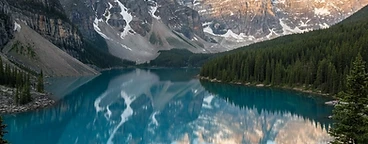
- Moraine Lake, near Lake Louise, reached by a seasonal shuttle system due to limited parking
- Kananaskis Country, south of Canmore, for quieter hiking and fewer crowds than the park itself
- The Icefields Parkway, continuing north from Lake Louise toward Jasper for one of the most scenic drives on the continent
For travellers with extra days, combining this route with the parkway makes for a complete Calgary, Banff, and Jasper itinerary.
Getting There & Back
Most road trips begin at Calgary International Airport (YYC), where rental cars are available directly in the terminal. From the airport, it's a straightforward merge onto Highway 1 West, bypassing most of downtown Calgary traffic.
For the return trip, the same Highway 1 corridor runs both directions, so no alternate route is needed unless you've extended the trip north toward Jasper and want to loop back via a different highway.
Those without a vehicle can book a one-way or return shuttle from YYC or downtown Calgary directly to Banff and Lake Louise, which is a practical option if you're not planning to explore beyond the townsites.
🏨 Find Places to Stay in Banff — search current availability and rates → /hotels/banff
Frequently Asked Questions
Keep Planning Your Trip
This drive is the opening act to a much larger Rockies story. Pair it with a deeper look at Banff's neighbourhoods and lodging areas, compare properties for your dates via Banff hotels, or read ahead on hotel picks near the national park before booking. If you're extending north, the full Calgary to Banff to Jasper road trip outlines the next legs in detail, and a stop in Lake Louise is well worth building into your schedule.
For more, see Best Banff Hotels With Mountain Views: Where to Stay.
For more, see Best Banff Hotels With Hot Tubs: Top Stays for Relaxation.
For more, see Best Budget Hotels in Banff: Affordable Stays & Savings Tips.
For more, see Best Pet-Friendly Hotels in Banff: Dog-Friendly Stays.
For more, see Best Banff Hotels With Free Parking.
For more, see Best Hotels Near the Banff Gondola: Where to Stay.